
Developer Lifecycle: how to make developer onboarding smooth like butter
Length:
12 min
Published:
October 21, 2024

Welcome to our series on mastering the developer lifecycle. From hiring to offboarding, we look at how to give developers a great developer experience at every stage.
A well-run lifecycle makes developers more productive and happier, and it lowers turnover. That saves you nerves and a lot of money.
Don't expect official studies from us. Expect tips that have worked in practice and that developers actually approve of.
We focus on developers, but over time most of this helps any employee.
Introduction
Be honest: how good is your onboarding for new developers? And is it a good experience for the newcomer?
Weak onboarding drags out the ramp-up and costs you money. Developers hate it when it's done badly, and it can wreck your reputation right from the start.
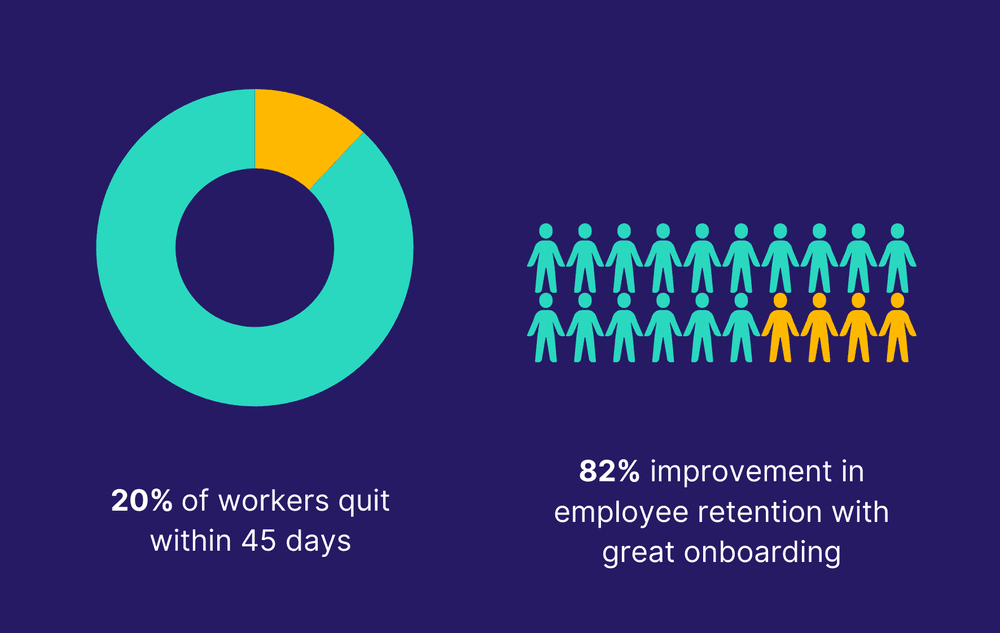
How you present yourself as a company on day one shapes how fast a new developer becomes productive, and whether they decide to stay. Last year, 20% of people quit within the first 45 days. First impressions matter here.
In this article we've collected the onboarding tips that often get overlooked. We split them into non-technical points, which HR can handle, and technical ones, best handled by team leads or senior developers.
Non-technical tips
These help when you onboard anyone, not just developers.
1. Keep talking before onboarding starts
Bridge the gap between the signed offer and the first day. Keep the conversation going the whole time. Among other things, it keeps the newcomer from drifting toward another offer before they even start. In the meantime you can:
- invite the newcomer to an informal meeting with the rest of the team,
- gather everything you need from them for onboarding,
- send them information about the company so they can read up in advance.
Knowing what they're walking into before day one is a relief.
2. Give them the full onboarding plan
For most people, changing jobs is stressful. Telling the newcomer in advance exactly what day one looks like takes the edge off. Plan the agenda for the whole first week and share it ahead of time. You and the company look organized, and you avoid the usual onboarding confusion, like having nobody free to focus on the newcomer.
3. Get ready for onboarding
Have all the access ready before the first day, from the building entry card to the company email, so nothing blocks productivity. Cover as much as you can up front. The newcomer feels welcome and gets up to speed faster.
4. Create an onboarding checklist
Write down what you need to go through with the newcomer, so neither of you forgets and onboarding stays stress-free. Split the checklist by what they need to do on day one, within a week, and by the end of the probation period. Again, hand it over up front so the newcomer knows exactly what their goals are.
5. Put company information in one place
Set up a single source of truth for everything about the company, from your values to how the coffee machine works and who holds which role. You head off misunderstandings, and the newcomer can come back to it anytime and feel more confident in the early days. You can't expect them to remember everything you say during onboarding.
6. Onboarding isn't just paperwork
Onboarding is about welcoming the newcomer and making sure they have what they need to get going. Handle the admin with document management software beforehand, so the new hire can review materials when it suits them.
7. Set up ongoing support
To give new developers continuous support, pair them with an experienced colleague who acts as a "buddy" and answers their questions. It doesn't have to be someone from HR. A team lead or another colleague works just as well.
Onboarding isn't where your support ends. It's where it begins.
8. Schedule regular feedback sessions
This matters for everyone, and for newcomers doubly so. Check in proactively, especially in the first month. You get a read on how the newcomer is settling in and can react to problems right away. For at least the first month, take the initiative and ask:
- Does the newcomer have everything they need to do the job?
- Do they have enough work?
- Do they have questions about how the company works?
- How do they like working with the team?
- Do they have a mentor or colleague to lean on?
- Do they have clear goals and milestones?
Technical tips
1. Follow common software development practices
- Give each repository a well-structured README (the template at https://github.com/RichardLitt/standard-readme is a good start).
- Set clear conventions for contributing, including PR and Issue templates and a CONTRIBUTING.md file.
- Run code review on all changes.
This helps newcomers pick up your practices from day one.
2. Provide technical documentation
If a new developer works across several repos, give them at least one document that describes how the repos relate and what each is responsible for. Keep the technical setup as simple as you can, for example with Docker and Docker Compose to spin up complex services.
3. Start slow
Hand the new developer a few small, quick tasks that introduce them to your environment and code. Find the balance between not overwhelming them and giving them enough meaningful work to sink their teeth into.
4. Let them improve things over time
Let onboarded developers improve the processes, especially the READMEs and Notion pages. It's a nice way into the topic for them, and you get a fresh pair of eyes.
5. Build a project roadmap
Create a wiki or similar resource that works as a one-stop shop for newcomers. Lay out the essentials, such as:
- who owns the project and who is responsible for what,
- the technology in use,
- the security measures to follow,
- guidelines for using AI and open source, and so on.
6. Onboard with the team lead too
Onboarding shouldn't happen only with HR. The technical team lead should be there too, because that's where the newcomer gets the best introduction to the project.
Conclusion
Don't underestimate a properly set up onboarding. Every detail counts when you're bringing developers on board.
Effective, enjoyable onboarding saves real money, because the developer becomes a productive member of the team sooner and you make a good first impression on your new colleague. According to a Brandon Hall Group study, great onboarding can improve retention by 82%, and that's well worth it.
Cover both the technical and non-technical sides. One won't work without the other. And most of all, remember: onboarding is not a one-day event but an ongoing process that needs attention, support, and regular feedback.
Want to stay one step ahead?
Don't miss our best insights. No spam, just practical analyses, invitations to exclusive events, and podcast summaries delivered straight to your inbox.